
Complete Decongestive Therapy (CDT):
The Gold Standard for Lymphedema Treatment
When swelling becomes more than “just swelling,” lymphedema care requires more than a single solution. That’s where Complete Decongestive Therapy (CDT) comes in—the comprehensive, hands-on approach that remains the gold standard for managing lymphedema. CDT doesn’t just treat symptoms; it teaches your body (and you) how to maintain long-term lymphatic health.
CDT has four main components, each working together to move lymphatic fluid, protect your skin, and keep swelling under control.
1. Manual Lymphatic Drainage (MLD)
Manual Lymphatic Drainage is a gentle, specialized massage technique that helps your body do what it already knows how to do—just faster.
The lymphatic system naturally moves waste and fluid out of the body, but it’s slow by design, moving only about one to two liters of lymph per day under normal conditions. Unlike blood, which has the heart as a pump, the lymphatic system depends on muscle movement, deep breathing, and pressure changes to keep things flowing. That means when you’re sick, inactive, or have a blockage from surgery or trauma, lymph flow can easily slow down or stagnate.
MLD uses light, rhythmic strokes to stimulate the tiny lymph vessels (called lymphangions) and help them contract more efficiently. This helps move fluid out of congested areas and direct it toward healthy, functioning lymph nodes. Research shows that MLD can increase lymph flow up to 20–30 times faster than its normal resting pace. The effects can last **for several hours after treatment—typically around four to six hours—**as the lymphatic vessels continue working at that higher rate.
Beyond reducing swelling, MLD helps soften tissues, ease tightness, and promote relaxation. Many clients notice that after a session, their limb feels lighter, more comfortable, and more “alive.”
2. Compression Therapy
Once fluid has been moved, it must stay out of the tissues—and that’s where compression comes in.
Compression therapy includes:
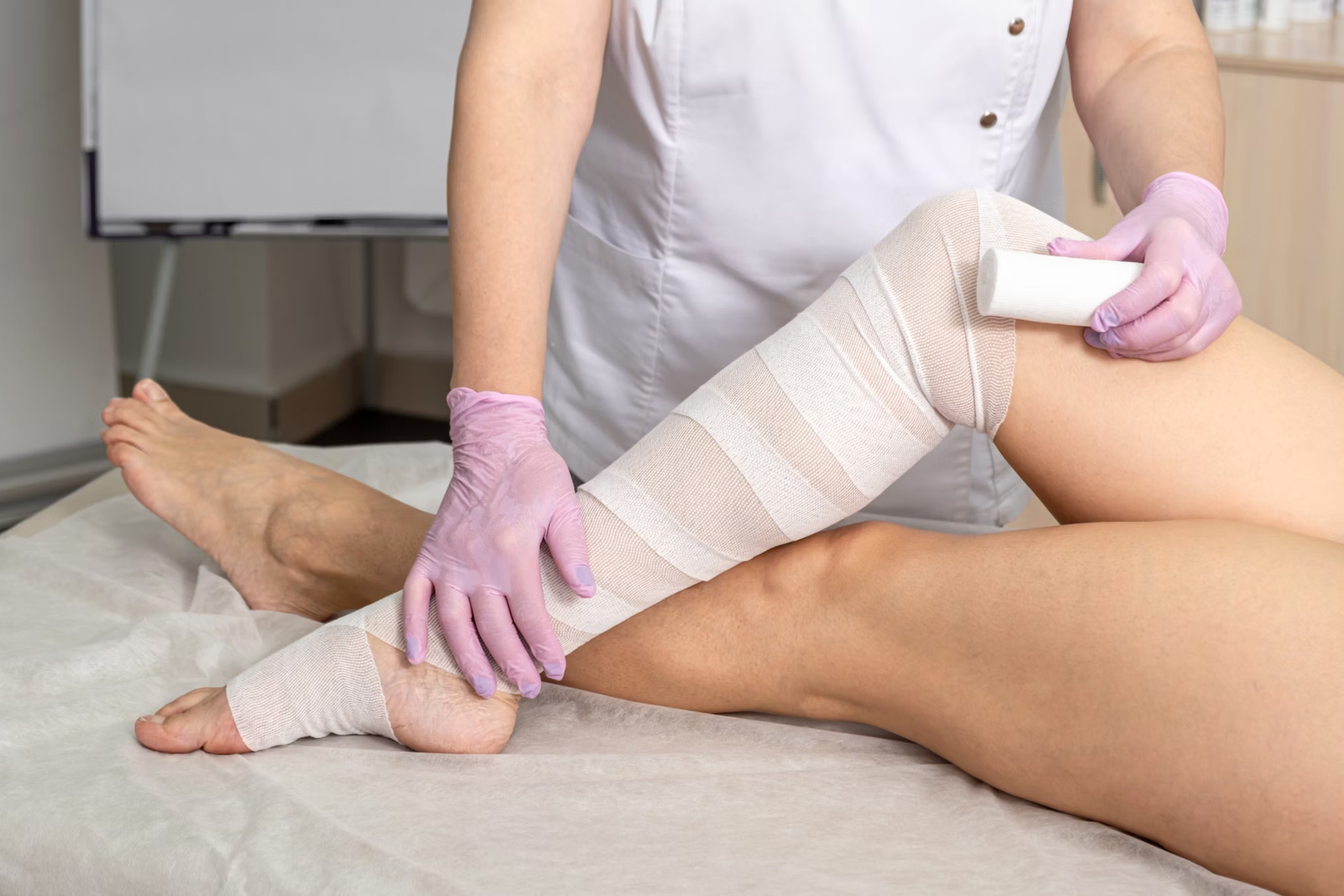
Multi-layer short-stretch bandaging during the intensive treatment phase
Compression garments (sleeves, stockings, or custom flat-knit garments) during the maintenance phase
Compression prevents fluid from refilling the tissues, supports the muscle pump action, and helps reshape the limb. Patients often need guidance to find the right fit, type, and fabric—since improper compression can cause discomfort or worsen swelling.
3. Skin Care
The skin is your body’s protective barrier—and with lymphedema, it’s under extra pressure. Even small cracks or dryness can invite infection (like cellulitis).
That’s why daily skin care is a cornerstone of CDT.
Tips include:
Cleanse gently with mild, pH-balanced soap
Moisturize daily using fragrance-free or organic oils to maintain elasticity
Watch for redness, warmth, or pain—early signs of infection
Healthy skin means fewer complications and better long-term outcomes.
4. Exercise and Movement
Movement is essential because muscle contractions help pump lymph fluid naturally.
Your therapist will tailor an exercise plan that supports lymph flow without overexertion.
Typical exercises include:
Deep breathing to stimulate the thoracic duct
Gentle range-of-motion and flexibility movements
Light strengthening while wearing compression
The goal is consistent, mindful movement—not intensity.
Maintenance and Self-Care
After your initial CDT phase, your therapist will transition you to a self-management plan. This often includes:
Daily compression wear
Regular self-massage (self-MLD)
Ongoing exercise and skin care routines
Periodic check-ins with your lymphedema therapist
Empowerment through education is key—you’ll learn how to listen to your body, recognize early signs of fluid buildup, and adjust your routine before swelling worsens.
Why CDT Works
CDT treats both the cause (fluid buildup from a disrupted lymph system) and the effect (the visible swelling).
It’s evidence-based, patient-centered, and adaptable across all stages of lymphedema—primary, secondary, or lipo-lymphedema.
When practiced consistently, CDT can:
Reduce limb volume
Improve mobility and comfort
Prevent infections and progression
Enhance overall quality of life
Closing Thought
Lymphedema management isn’t just about wrapping or massage—it’s a lifestyle of self-awareness and care.
CDT gives you the tools to reclaim control over your body, reduce complications, and move forward with confidence.