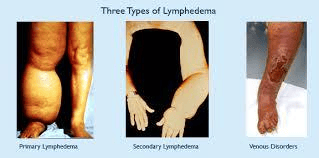
Lymphedema is often described as swelling—but that word barely scratches the surface. The truth is, lymphedema is a story about the lymphatic system: the quiet network that keeps our bodies balanced, cleansed, and nourished. When that system is disrupted, fluid can collect beneath the skin, leading to swelling, tightness, or heaviness.
Knowing which type of lymphedema you have helps guide treatment, expectations, and self-care. While every person’s experience is unique, lymphedema generally falls into three main categories: primary, secondary, and lipo-lymphedema (which often begins as lipedema).
Primary lymphedema occurs because the lymphatic system didn’t fully develop. Some people are born with fewer lymph vessels, smaller nodes, or pathways that simply don’t work as efficiently.
This type can appear at different times in life:
Even though it’s genetic, primary lymphedema can be managed beautifully through early education, compression, and gentle movement. Awareness and daily care make all the difference.
This is the most common type, developing after the lymphatic system has been damaged or blocked. It can follow:
Secondary lymphedema may appear weeks—or even years—after the triggering event. The earliest signs are often subtle: rings feeling tight, a sense of heaviness, or visible swelling at the end of the day. Early intervention helps prevent long-term tissue changes and protects mobility.
Lipedema is a chronic, painful fat distribution disorder—and it is not caused by lymphatic failure. It primarily affects women and tends to run in families. Unlike standard weight gain, lipedema causes symmetrical fat accumulation, usually in the hips, thighs, legs, and sometimes the arms—while sparing the hands and feet.
Common features include:
Because the lymphatic system remains mostly functional in early lipedema, swelling may come and go. Without care, however, the extra fatty tissue eventually strains lymph flow—leading to lipo-lymphedema.
Lipo-lymphedema develops when lipedema progresses and begins to overwhelm the lymphatic system. Over time, fluid accumulation joins the fatty tissue, causing swelling that no longer subsides overnight.
Common signs include:
Treatment blends both approaches:
Manual lymphatic drainage, compression therapy, gentle movement, and nourishing skin care. With early recognition and consistent care, clients often regain comfort, mobility, and confidence.
Understanding your type of lymphedema isn’t just about labeling a diagnosis—it’s about knowing your body’s map. Each form has its own story, but all share one theme: you have power in your process.
Dr. Tiffany Topp, OTD, OTR/L, CLT-ALM
TOPP Lymphatics Therapy Services
Reclaim your power. Realign with your mission.