
Swelling isn’t always just “lymphedema.”
Sometimes the problem begins in the veins — and the lymphatic system is simply overwhelmed trying to keep up.
Venous insufficiency and lymphedema are deeply connected.
To understand how, we have to go back to the pressure mechanics that move fluid through the body.
Inside the tiniest blood vessels — the capillaries — fluid movement is driven by pressure.
Fluid is pushed out into the tissues.
Fluid is pulled back in by proteins in the blood.
About 10–15% of fluid remains in the tissues and must be collected by the lymphatic system.
This delicate balance keeps your legs light, skin healthy, and circulation smooth.
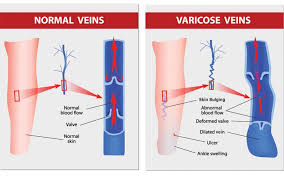
Venous insufficiency means the veins aren’t pulling fluid back in properly.
The valves are weak, or the veins are stretched and sluggish.
This creates venous hypertension — pressure that stays too high in the veins.
✔ More fluid leaves the bloodstream
✔ Less fluid returns
✔ Way more than 10–15% remains in the tissues
Suddenly the lymphatic system is being asked to carry double or triple its normal workload.
It can’t. This is where swelling begins.
At first, the lymphatic system tries to compensate — opening its capillaries wider to take in more fluid.
But lymph flow depends on tissue pressure.
This is why people with venous insufficiency often develop fibrosis, thick skin, discoloration, and heaviness — the lymphatic system has been drowning in too much fluid for too long.
This is one of the most common forms of swelling you see in real life.
causes extra fluid to leak out → overwhelming the lymphatics
develops because the system is overloaded and inflamed
Together, this creates phlebo-lymphedema.
Most people think it’s “just swelling,” but it is absolutely a combined venous + lymphatic disorder.
Compression restores the pressure balance in two ways:
External pressure reduces the amount of fluid leaking out of blood vessels.
Higher tissue pressure helps lymphatic capillaries open, allowing more fluid to enter the lymph system.
Preventing overstretching and fibrosis.
Fluid stops flooding the tissues.
Consistent compression prevents progression into severe stages.
This is not just therapy —
it is mechanically correcting the pressure imbalance that caused the swelling in the first place.
Compression restores the pressure balance in two ways:
External pressure reduces the amount of fluid leaking out of blood vessels.
Higher tissue pressure helps lymphatic capillaries open, allowing more fluid to enter the lymph system.
Preventing overstretching and fibrosis.
Fluid stops flooding the tissues.
Consistent compression prevents progression into severe stages.
This is not just therapy —
it is mechanically correcting the pressure imbalance that caused the swelling in the first place.
People often report:
These changes happen because the pressure environment is being corrected, not because the swelling “drained magically.”
Venous insufficiency is not separate from the lymphatic system — the two are intertwined.
When the veins fail, the lymphatics are pushed beyond capacity.
When the lymphatics fail, the veins cannot compensate.
Compression restores the balance both systems need.
This is why understanding pressure — not just swelling — transforms the way we treat and empower patients.
Dr. Tiffany Topp, OTD, OTR/L, CLT-ALM
TOPP Lymphatics Therapy Services
Reclaim your power. Realign with your mission.