
Why Lymphedema Certification Matters (and What to Ask When Choosing a Therapist)

Not all therapists who treat swelling are trained in lymphedema care.

Lymphedema is a chronic, progressive condition that requires specialized education and clinical skill.

Why certification matters

Becoming a certified lymphedema therapist is not quick or easy.
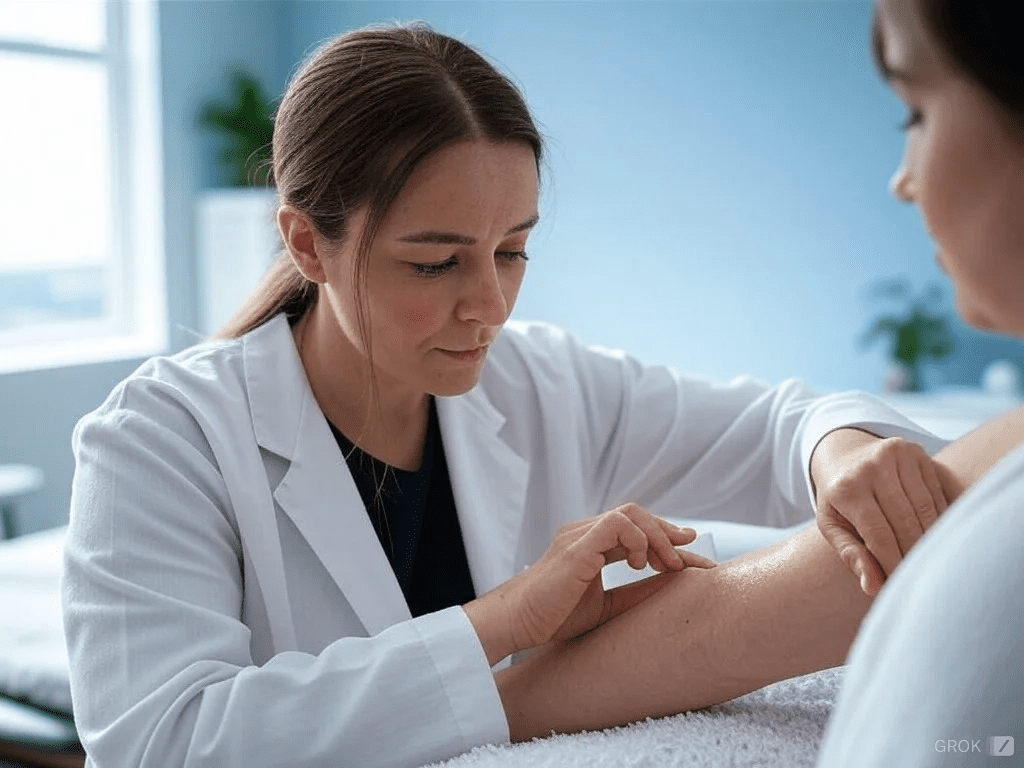
Most reputable programs require

  • 135+ hours of training
  • A combination of online coursework and in-person instruction
  • Hands-on competency testing
  • Written exams and clinical demonstrations

This training covers

  • The lymphatic system and pathology
  • Complete Decongestive Therapy (CDT)
  • Manual lymphatic drainage techniques
  • Compression bandaging and garment management
  • Skin care, infection prevention, and long-term self-management
  • Therapists who pursue this level of training are making a serious commitment to their education, their craft, and their patients.

Where to find certified lymphedema therapists (search by ZIP code)

  • Academy of Certified Lymphedema Therapists (ACOLS)
    https://www.acols.com/find-a-therapist
  • Norton School of Lymphatic Therapy
    https://www.nortonschool.com/therapist-referral-directory
  • Klose Training
    https://klosetraining.com/therapist-locator


These directories list therapists who have completed specialized lymphedema education

What to ask when you call a clinic or therapist

  1. Are you certified in lymphedema or Complete Decongestive Therapy (CDT)?
  2. Where did you receive your lymphedema training?
  3. How often do you treat lymphedema patients?
  4. Do you treat my specific type of lymphedema (arm, leg, head and neck, post-surgical, cancer-related, primary)?
  5. Do you provide compression bandaging and garment education?

Important reminder for patients

Massage, swelling care, or general therapy experience does not automatically equal lymphedema certification. It is appropriate and encouraged to ask about training.