
A Simple Guide for Anyone Living With Swelling, Lymphedema, or Venous Issues**
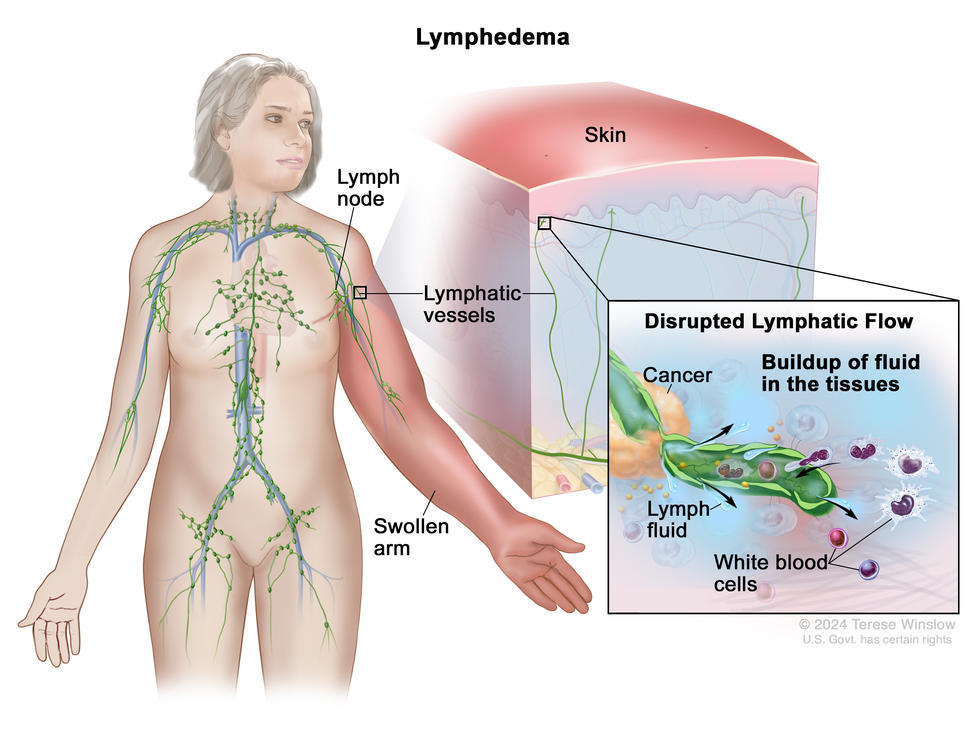
Most people have never been told how their lymphatic system really works. So when they hear that fat actually travels through the lymph, it sounds unbelievable — even alarming.
But this is normal, and it explains a LOT about:
This guide is written for patients and caregivers so you can finally understand what’s happening inside the body.
Let’s break it down in the simplest way possible.
After a meal, most nutrients go straight into the bloodstream.
But fats don’t.
Fats are too big to fit into the tiny blood vessels of the intestine, so the body uses the lymphatic system instead.
Inside your small intestine are tiny lymph vessels called lacteals.
They absorb fats and mix them into lymph — creating a creamy fluid called chyle.
Yes, your lymph can actually look milky after you eat.
This is completely normal.
Here’s the easy version of the path:
This is the first time your body turns dietary fat into blood fat.
Once the fat-rich blood enters the bloodstream, it goes straight to your liver.
The liver:
If the liver is stressed or overloaded, people often feel:
This is why lymphatic health and liver health go hand-in-hand.
After the liver processes things:
So remember:
It always passes through the lymph system → bloodstream → liver first.**
Understanding this process helps explain many symptoms that patients and caregivers notice:
The lymphatic “pool” in the abdomen (cisterna chyli) temporarily fills up as it moves fat.
This is often lymph congestion, not just “gas.”
The lymphatic system gets overwhelmed.
The lymph + liver partnership is working hard.
Your diaphragm sits right over the cisterna chyli — each breath works like a pump.
Lymph flow slows when the system is overloaded.
For caregivers, this knowledge helps you understand why certain activities, foods, and routines affect your loved one’s swelling.
↓
↓
↓
↓
↓
↓
This is the REAL path inside the body.
When the lymphatic system struggles, this whole process slows down — and swelling appears.
You don’t need a complicated routine.
Small, gentle habits make a big difference:
Helps pump lymph through the abdomen.
Walking, stretching, ankle pumps, or light exercise help lymph circulate.
Hydration keeps lymph fluid moving.
Give the lymphatic system the support it needs.
Manual Lymphatic Drainage directly supports these pathways.
Caregivers — encouraging these small steps can dramatically reduce swelling and discomfort.
Your lymphatic system isn’t just a “drainage system.”
It’s a powerful, active part of digestion, circulation, immunity, and healing.
Understanding this gives patients and caregivers a clearer picture of what’s happening — and how to support it.
Dr. Tiffany Topp, OTD, OTR/L, CLT-ALM
TOPP Lymphatics Therapy Services
Reclaim your power. Realign with your mission.