
Living with lymphedema can be physically uncomfortable and emotionally exhausting. From persistent swelling to daily pain and restricted movement, this condition affects every part of life.
That’s why finding effective lymphedema management solutions is essential for improving comfort, mobility, and long-term well-being. When managed correctly, symptoms can be controlled and flare-ups significantly reduced without relying solely on invasive procedures.
Lymphedema develops when the lymphatic system struggles to drain excess fluid, leading to swelling commonly in the arms, legs, or other areas of the body. While there is no single cure, a combination of expert-guided care, lifestyle adjustments, and supportive therapies can make a measurable difference. The right approach focuses on consistency, personalization, and understanding how the body responds to treatment.
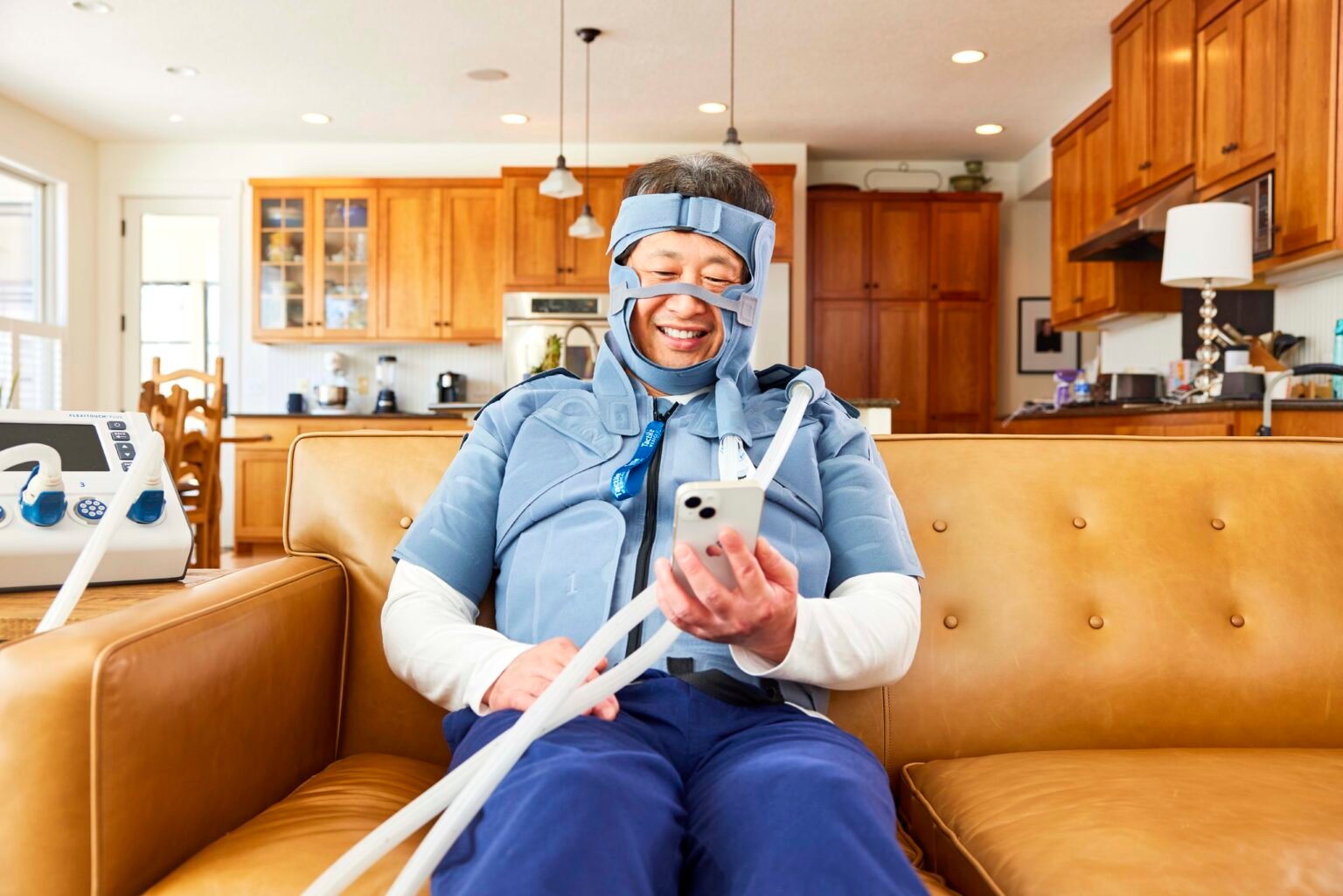
Before choosing the right care approach, it’s important to understand what causes swelling and discomfort in lymphedema. The condition often appears after surgery, radiation therapy, injury, or infection that damages lymph nodes or vessels. When lymph fluid cannot circulate properly, it builds up in tissues and causes chronic inflammation.
One challenge many people face is that symptoms don’t appear overnight. Swelling may start mildly and worsen over time if ignored. Pain, tightness, and heaviness usually follow, making daily activities more difficult. This gradual progression is why early awareness and proactive lymphedema management solutions play such a critical role in symptom control.
Another overlooked factor is inflammation. When tissues remain inflamed for extended periods, lymphatic flow becomes even more restricted. Addressing inflammation through professional guidance and healthy habits can significantly improve comfort and mobility.
The earlier lymphedema is addressed, the easier it is to manage. Mild swelling is far more responsive to treatment than advanced stages where tissue hardening occurs. Early care reduces the risk of infections, skin complications, and long-term pain.
Beyond physical symptoms, lymphedema can affect confidence and mental health. Persistent swelling may limit clothing choices, social activities, and overall self-esteem. Effective care plans are designed not only to manage physical discomfort but also to restore confidence and independence.
Managing lymphedema successfully requires daily commitment. Small, consistent habits can support lymphatic flow and prevent fluid buildup. These practices are often combined with professional therapies for best results.
Movement is one of the most powerful tools available. Gentle exercises stimulate lymph circulation and help prevent stiffness. Activities such as walking, stretching, and guided resistance movements can be customized based on individual ability. Many people are surprised at how much relief comes from structured, low-impact motion.
Skin care is another essential component. Clean, moisturized skin reduces the risk of infections, which can worsen swelling and trigger flare-ups. Even minor cuts or dryness can become serious when lymphatic drainage is compromised.
Healthy nutrition also plays a supportive role. Many individuals seek ways to reduce inflammation the natural way by focusing on balanced meals, hydration, and limiting highly processed foods. While diet alone won’t cure lymphedema, it can complement other lymphedema management solutions by supporting overall lymphatic health.
Compression garments help prevent fluid from collecting in affected areas. When fitted correctly and worn consistently, they provide gentle pressure that supports lymph flow throughout the day.
Flare-ups can still happen, even with proper care. Recognizing early warning signs—such as increased tightness or warmth—allows for quick action before symptoms escalate.
While self-care is important, professional support often makes the biggest impact. Specialized therapies are designed to address the root causes of fluid buildup rather than just masking symptoms.
Manual lymphatic techniques performed by trained professionals encourage proper fluid movement and reduce discomfort. These sessions are tailored to each individual’s condition and progression level, making them one of the most trusted lymphedema management solutions available today.
Advanced care plans also focus on education. Learning how your body responds to activity, rest, and stress empowers you to make informed decisions. Many patients find that combining expert care with home-based strategies delivers the most sustainable results.
Some individuals prefer approaches that help reduce swelling naturally without aggressive intervention. When guided by experienced specialists, natural and therapeutic methods can work together safely and effectively.
No two lymphedema cases are identical. Personalized treatment plans consider lifestyle, severity, and personal goals, ensuring long-term success rather than short-term relief.
There’s no overnight solution for lymphedema. Sustainable progress comes from consistent care, realistic expectations, and professional guidance that adapts as needs change.
At Topp Lymphatics, we understand that managing lymphedema requires more than generic advice. Our team of experienced professionals focuses on customized care strategies built around proven lymphedema management solutions. We work closely with individuals to reduce discomfort, improve mobility, and support long-term lymphatic health through expert-guided therapies and education.
Our approach blends professional insight with practical guidance, helping clients regain control and confidence in their daily lives. With the right support system and knowledgeable experts, managing lymphedema becomes not just possible—but empowering.