
Vibration plates are everywhere right now. Gyms, wellness clinics, social media ads promising better circulation, less swelling, and effortless results. If you live with lymphedema, it’s reasonable to ask: Could this actually help me? Or is it just another shiny tool making big promises?
Vibration plates are not a proven treatment for lymphedema, but early research suggests that vibration used as an add-on to standard care may help some people with symptoms and mild swelling. The evidence is limited, mixed, and still evolving.
That distinction matters.
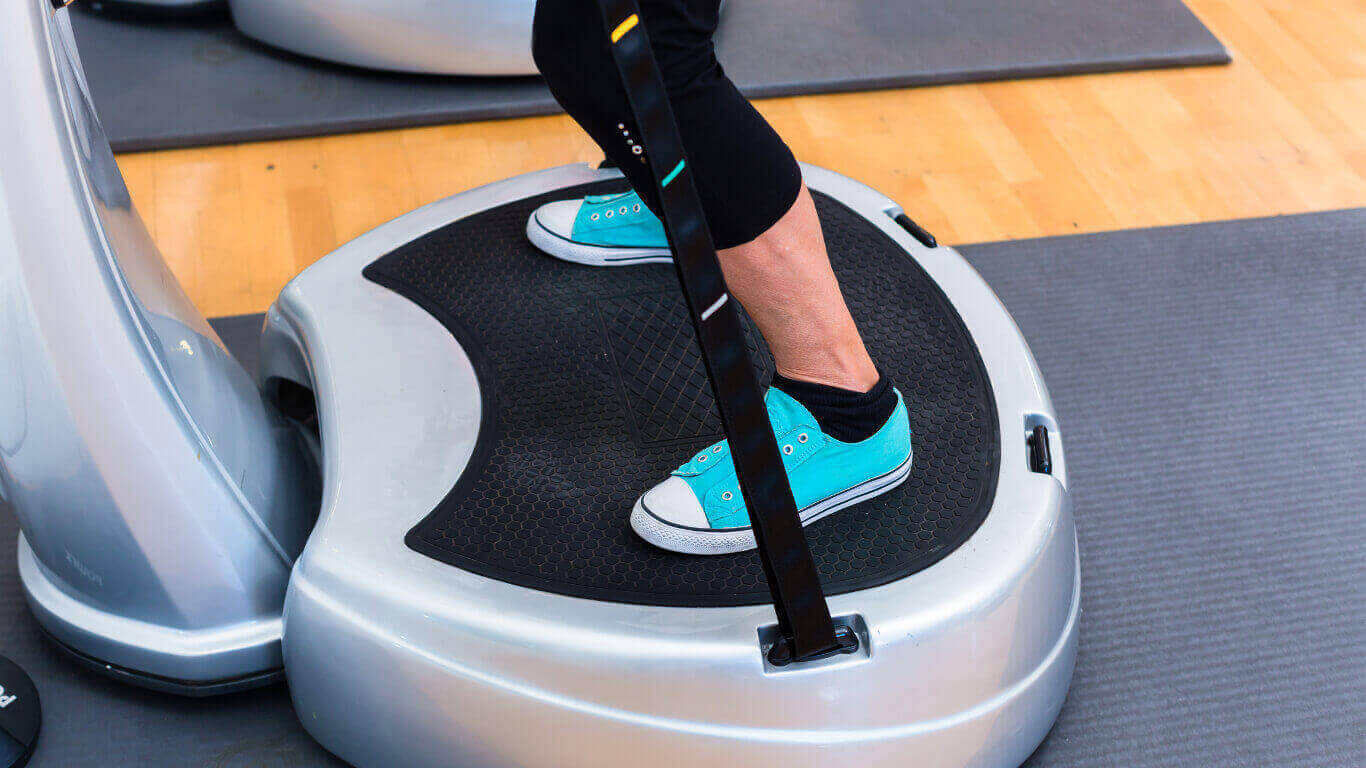
Most lymphedema research does not look at standing on commercial vibration plates alone. Instead, studies have examined:
vibration combined with self-lymphatic drainage
localized or handheld vibration devices
vibration used alongside compression and exercise
In small pilot studies involving people with breast cancer–related lymphedema, vibration added to self-care routines showed modest reductions in limb volume for some participants, while others experienced improvements in heaviness, comfort, or movement. These studies were small and short-term, meaning they raise good questions but do not give definitive answers.
In other words, vibration showed potential, not proof.
Why vibration might help (in theory)
stimulate muscle contractions, supporting the muscle pump
increase local blood flow and microcirculation
provide sensory input that encourages movement in people who are deconditioned or hesitant to exercise
All of those mechanisms could support lymphatic flow. But “could” is not the same as “does,” and responses vary widely from person to person.
What vibration plates cannot do
do not repair damaged lymphatic vessels
do not reverse fibrotic changes
do not replace Complete Decongestive Therapy (CDT)
do not work as a stand-alone solution for moderate to advanced lymphedema
Any claim suggesting otherwise should raise an eyebrow.
Safety matters more than gadgets
Not everyone with lymphedema is a good candidate for vibration.
Certain conditions require caution or avoidance altogether, including:
active infection or cellulitis
unstable joints or balance issues
significant neuropathy or loss of protective sensation
uncontrolled cardiac conditions
This is where individualized assessment matters.
What feels “gentle” to one body may be overstimulating to another.
The bottom line
At this point in time, vibration plates sit in the category of experimental adjuncts. They may help some people when used thoughtfully and conservatively as part of a broader lymphedema management plan. They are not a cure, and they are not a shortcut.
start low
pair it with evidence-based care
pay close attention to how your body responds
work with a clinician who understands lymphedema, not just fitness trends
Curiosity is healthy.
Discernment is essential.